
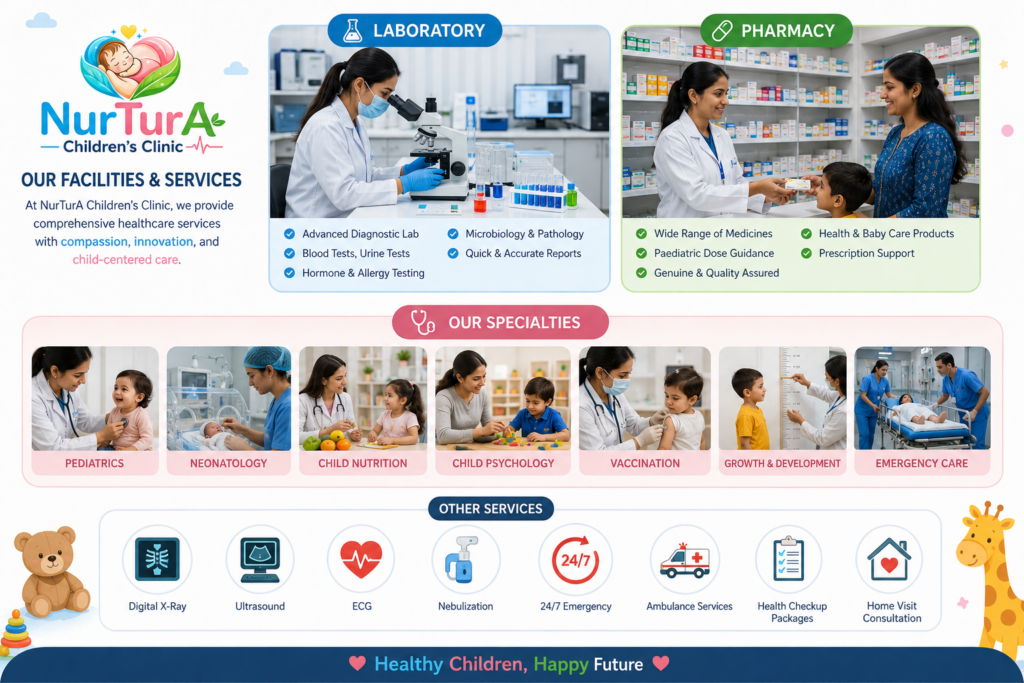
Every parent wants their child to grow up healthy, confident, active, and happy. While treating illnesses is important, true healthcare goes beyond managing symptoms. Pediatric wellness focuses on supporting a child’s overall physical health, emotional well-being, developmental progress, nutrition, and preventive healthcare needs from infancy through adolescence.
Pediatric wellness is a proactive approach that helps children build strong foundations for lifelong health. Through regular health monitoring, healthy lifestyle habits, preventive care, and family support, children can achieve their full potential while reducing the risk of future health concerns.
This guide explores the importance of pediatric wellness, the key pillars of healthy childhood development, and practical strategies that parents can use to support their child’s well-being.
Understanding Pediatric Wellness
Pediatric wellness is a comprehensive healthcare approach that focuses on promoting healthy growth, preventing illness, and supporting children’s physical, emotional, social, and developmental needs.
Rather than waiting until a child becomes sick, pediatric wellness encourages regular healthcare visits, healthy daily habits, developmental monitoring, and preventive healthcare practices.
A strong pediatric wellness plan includes:
- Growth and development monitoring
- Balanced nutrition
- Physical activity
- Mental and emotional well-being
- Vaccination support
- Preventive healthcare
- Family wellness education
When these areas work together, children are better equipped to thrive both physically and emotionally.
Why Pediatric Wellness Matters
Healthy childhood development lays the foundation for lifelong wellness. The early years of life are critical because the brain, immune system, bones, muscles, and emotional skills are developing rapidly.
Children who receive consistent wellness support often experience:
✔ Stronger immunity
✔ Better physical growth
✔ Improved emotional resilience
✔ Healthy social development
✔ Better learning outcomes
✔ Reduced risk of chronic health conditions
✔ Higher self-confidence
Pediatric wellness helps identify potential concerns early so that children can receive appropriate support before problems become more serious.
The Importance Of Regular Pediatric Checkups
Routine pediatric wellness visits play a crucial role in monitoring a child’s overall health and development.
These visits allow healthcare professionals to evaluate growth milestones, assess nutrition, discuss behavioral concerns, and provide preventive healthcare recommendations.
Benefits Of Regular Wellness Visits
Growth Monitoring
Pediatricians track:
- Height
- Weight
- Body Mass Index (BMI)
- Physical development milestones
Monitoring growth patterns helps identify nutritional concerns or developmental delays early.
Developmental Assessments
Regular wellness visits evaluate:
- Speech development
- Motor skills
- Cognitive development
- Social interaction
- Emotional growth
Early identification allows for timely interventions and better long-term outcomes.
Preventive Healthcare Guidance
Pediatricians provide recommendations related to:
- Nutrition
- Sleep habits
- Physical activity
- Vaccinations
- Safety measures
These conversations help families make informed healthcare decisions.
Building Strong Foundations Through Nutrition
Nutrition is one of the most important components of pediatric wellness.
Children require essential nutrients to support:
- Brain development
- Bone growth
- Muscle development
- Immune system function
- Energy production
A balanced diet helps children stay active, focused, and healthy throughout childhood.
Essential Nutrients For Child Wellness
Protein
Protein supports growth and tissue repair.
Healthy sources include:
- Eggs
- Fish
- Chicken
- Beans
- Dairy products
Calcium
Calcium helps build strong bones and teeth.
Good sources include:
- Milk
- Yogurt
- Cheese
- Leafy green vegetables
Iron
Iron supports healthy blood circulation and cognitive development.
Sources include:
- Lean meats
- Spinach
- Lentils
- Fortified cereals
Vitamins And Minerals
Fruits and vegetables provide essential nutrients that support immunity and overall wellness.
Parents should encourage a colorful variety of foods to ensure balanced nutrition.
Physical Activity And Child Wellness
Active children tend to be healthier both physically and emotionally.
Regular physical activity supports:
- Strong muscles and bones
- Healthy weight management
- Better sleep quality
- Improved concentration
- Emotional well-being
Recommended Activities
Outdoor Play
Outdoor activities encourage movement and creativity.
Examples include:
- Running
- Cycling
- Playing at parks
- Nature walks
Sports Participation
Sports help children develop:
- Teamwork
- Discipline
- Confidence
- Social skills
Family Activities
Family walks, games, and recreational activities encourage healthy habits while strengthening family bonds.
Healthcare experts recommend at least 60 minutes of daily physical activity for school-age children.
The Role Of Sleep In Pediatric Wellness
Active children tend to be healthier both physically and emotionally.
Regular physical activity supports:
- Strong muscles and bones
- Healthy weight management
- Better sleep quality
- Improved concentration
- Emotional well-being
Recommended Activities
Outdoor Play
Outdoor activities encourage movement and creativity.
Examples include:
- Running
- Cycling
- Playing at parks
- Nature walks
Sports Participation
Sports help children develop:
- Teamwork
- Discipline
- Confidence
- Social skills
Family Activities
Family walks, games, and recreational activities encourage healthy habits while strengthening family bonds.
Healthcare experts recommend at least 60 minutes of daily physical activity for school-age children.
The Role Of Sleep In Pediatric Wellness
Sleep is essential for healthy growth and development.
During sleep, the body repairs tissues, strengthens the immune system, and supports brain function.
Children who receive adequate sleep often experience:
✔ Better concentration
✔ Improved behavior
✔ Stronger immunity
✔ Enhanced learning abilities
✔ Better emotional regulation
Tips For Better Sleep
- Maintain a consistent bedtime routine.
- Limit screen exposure before bed.
- Create a quiet sleeping environment.
- Encourage relaxing bedtime activities.
Healthy sleep habits contribute significantly to overall pediatric wellness.
Emotional Wellness And Mental Health
Pediatric wellness includes emotional and psychological health.
Children experience a wide range of emotions as they grow and learn about the world around them.
Supporting emotional wellness helps children develop:
- Confidence
- Resilience
- Self-awareness
- Healthy coping skills
Encouraging Emotional Well-Being
Open Communication
Children should feel comfortable discussing their feelings and concerns.
Parents can build trust by listening without judgment.
Positive Reinforcement
Recognizing effort and achievements helps strengthen self-esteem.
Healthy Stress Management
Teach children healthy coping strategies such as:
- Deep breathing
- Drawing
- Journaling
- Physical activity
Strong emotional health contributes to better overall child wellness.