
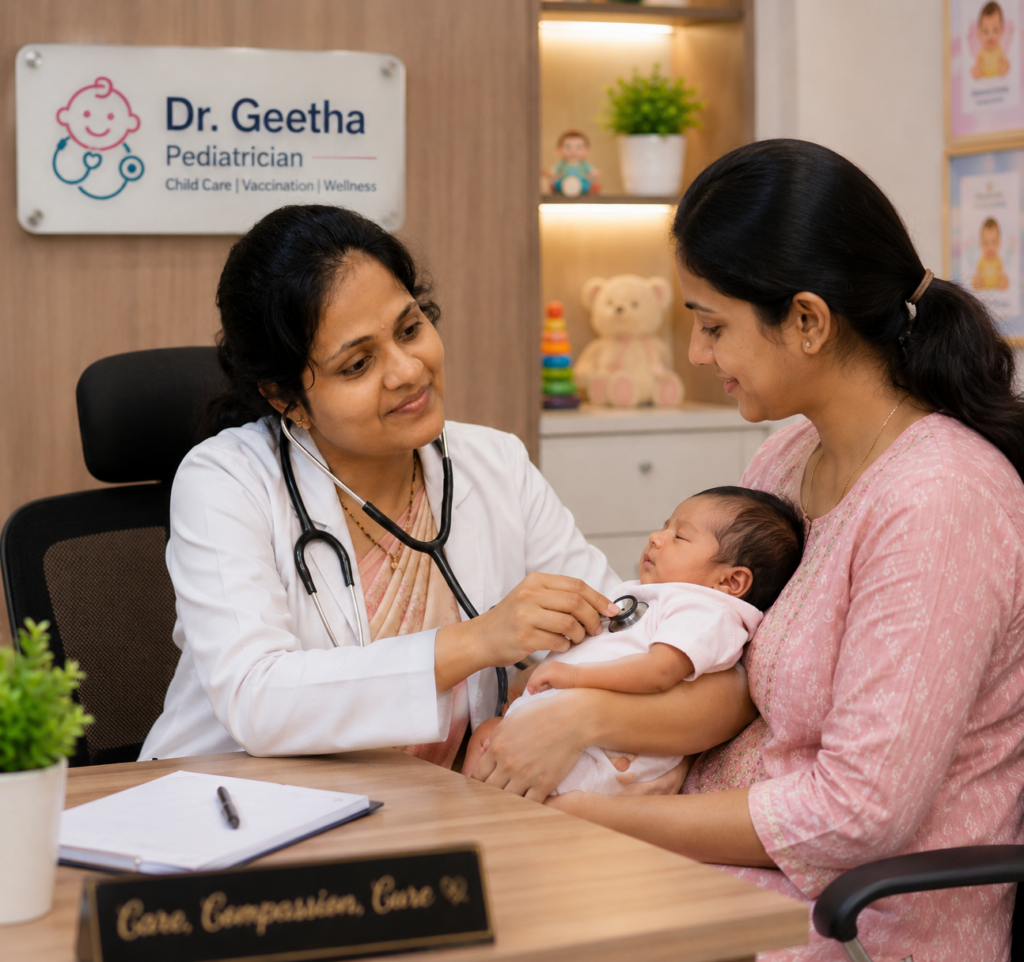
Keeping children healthy is every parent’s top priority. From balanced nutrition and proper sleep to vaccination schedules and emotional well-being, child health care involves many interconnected habits. This guide covers practical, doctor-recommended tips to support your child’s growth, immunity, and overall wellness.
Why Child Health Care Matters
Early childhood is a critical stage for physical growth, brain development, and immune system strength. Good health habits during these years can help prevent illness, improve learning and behavior, and build a strong foundation for lifelong wellness.
Prioritize Balanced Nutrition
A healthy diet is one of the most important child health care tips. Children need a variety of nutrients to support growth and energy levels.
What to include daily
- Fruits and vegetables: Aim for colorful choices like carrots, spinach, berries, and bananas.
- Whole grains: Brown rice, oats, and whole-wheat bread provide long-lasting energy.
- Protein sources: Eggs, beans, fish, chicken, and dairy help build muscles and tissues.
- Healthy fats: Nuts, seeds, avocados, and olive oil support brain development.
- Calcium-rich foods: Milk, yogurt, and cheese strengthen bones and teeth.
Nutrition tips for parents
- Offer small, frequent meals for younger children.
- Limit sugary drinks and processed snacks.
- Encourage water as the main beverage.
- Let children participate in meal preparation to build healthy eating habits.
2. Keep Vaccinations Up To Date
Vaccines protect children from serious infectious diseases such as measles, polio, and whooping cough. Following the recommended immunization schedule is a key part of preventive child health care.
Why vaccination is important
- Builds immunity against dangerous diseases
- Reduces the spread of infections in the community
- Protects infants and children who are more vulnerable to illness
Helpful reminder
Keep a vaccination record and schedule appointments in advance. If you miss a dose, consult your pediatrician about catch-up vaccination options.
Ensure Quality Sleep
Sleep is essential for growth, learning, and immune function. Children who get enough sleep are more likely to have better concentration, mood, and physical health.
Recommended sleep duration
| Age Group | Recommended Sleep |
|---|---|
| Infants (4–12 months) | 12–16 hours |
| Toddlers (1–2 years) | 11–14 hours |
| Preschoolers (3–5 years) | 10–13 hours |
| School-age children (6–12 years) | 9–12 hours |
Sleep hygiene tips
- Maintain a consistent bedtime routine.
- Limit screen time at least one hour before bed.
- Keep the bedroom cool, dark, and quiet.
- Avoid caffeine and sugary snacks in the evening.
Encourage Physical Activity
Regular movement helps children maintain a healthy weight, build strong muscles and bones, and improve coordination and mental health.
Easy ways to stay active
- Outdoor play in parks or gardens
- Riding bicycles or scooters
- Dancing, swimming, or sports activities
- Family walks after meals
Aim for at least 60 minutes of physical activity daily for school-age children.
Support Emotional & Mental Well-Being
Child health care is not only physical — emotional wellness matters too. Children thrive when they feel safe, heard, and supported.
How parents can help
- Listen actively to your child’s feelings and concerns.
- Spend quality time together every day.
- Encourage positive communication and problem-solving.
- Teach healthy ways to manage stress, such as deep breathing or creative activities.
- Watch for signs of anxiety, sadness, or behavioral changes and seek professional help if needed.
Practice Good Hygiene Habits
Simple hygiene routines can prevent many common illnesses.
Teach children to
- Wash hands with soap for at least 20 seconds.
- Cover coughs and sneezes with a tissue or elbow.
- Avoid touching their face with unwashed hands.
- Brush teeth twice a day and visit the dentist regularly.
Schedule Regular Pediatric Checkups
Routine visits help monitor growth, development, vision, hearing, and overall health. Pediatricians can also provide guidance on nutrition, behavior, and safety.
What to discuss during checkups
- Growth and developmental milestones
- Vaccination updates
- Eating and sleeping habits
- School performance and behavior
- Any health concerns or symptoms
Create A Safe Home Environment
Accident prevention is an important part of child health care.
Safety measures to follow
- Keep medicines and cleaning products out of reach.
- Use car seats and seat belts correctly.
- Install safety gates and outlet covers for toddlers.
- Supervise children around water and playgrounds.
- Teach road safety and stranger awareness as they grow older
Final Thoughts
Healthy children grow best in environments that support nutrition, sleep, activity, emotional well-being, and preventive care. By following these child health care tips and maintaining regular communication with your pediatrician, you can help your child build a strong foundation for lifelong health and happiness.